
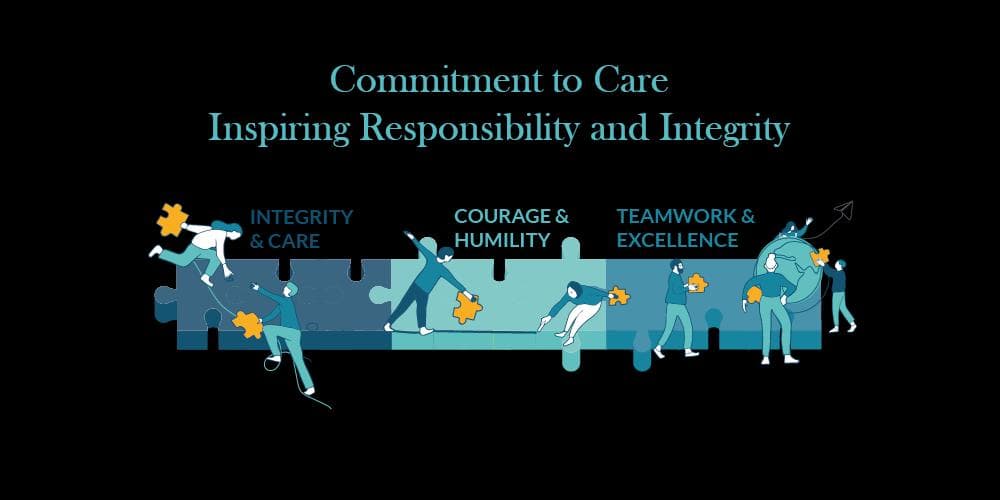
Commitment is what transforms nursing from a job into a mission driven by purpose, responsibility, and moral clarity. It is the backbone of professionalism in healthcare, representing a nurse’s promise to act in the best interests of every patient — regardless of time, pressure, or circumstance. A committed nurse does not simply follow instructions; they embody the principles of care through their actions, consistency, and compassion. This level of commitment doesn’t appear overnight — it is shaped and nurtured by effective, responsible trainers who serve as role models and mentors in both clinical skill and ethical practice.
For nurse trainers, instilling commitment means reinforcing core values every step of the way — especially during hands-on training, orientation, and routine evaluations. Commitment is reflected in small actions: arriving on time, reporting errors honestly, maintaining patient dignity, and staying calm during critical events. Trainers should create environments where accountability is respected and reinforced — not feared. Through team discussions, ethical simulations, and reflection exercises, they can guide nurses to embrace responsibility as a personal standard, not just a requirement. The goal is not only to teach clinical accuracy but also to inspire moral strength and dedication to the human side of care.
Moreover, commitment extends beyond the bedside. It includes lifelong learning, staying updated with medical protocols, and embracing feedback without defensiveness. Trainers must encourage a mindset where growth is constant and change is welcomed. This includes reading clinical literature, attending professional development sessions, and actively participating in audits or team reviews. By doing so, nurses learn that commitment is not passive loyalty — it is active involvement in their own growth and the improvement of the systems they work in. Trainers must themselves demonstrate this habit of learning and model humility in the face of evolving medical knowledge.
Lastly, the emotional dimension of commitment cannot be overlooked. Nurses face immense stress, emotional fatigue, and challenging work environments. Trainers must openly address the reality of burnout and provide coping strategies that reinforce resilience. Sharing stories of perseverance, offering mentorship, and building supportive peer communities are powerful tools. A truly committed nurse doesn’t just complete their shift — they bring presence, dignity, and heart into their work. As trainers, the responsibility is not just to build skills, but to light a fire of responsibility and integrity that sustains nurses through every stage of their career.